↔
Swipe to Answer
Move right for yes or your preferred photo. Move left for no or the other photo.
City Swipe is a quick, interactive way to share what you like and don’t like about Downtown Santa Monica. Every response helps inform the Downtown Community Plan.

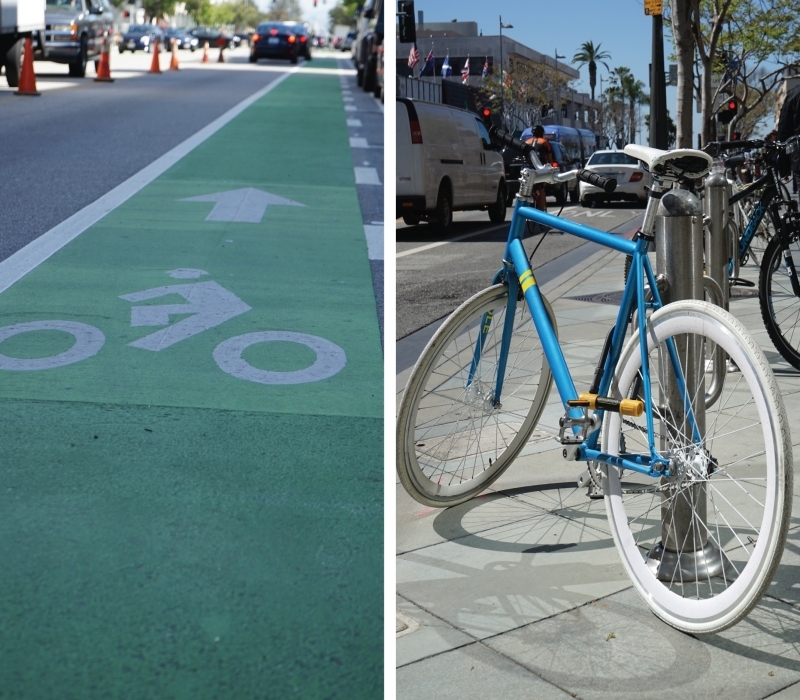
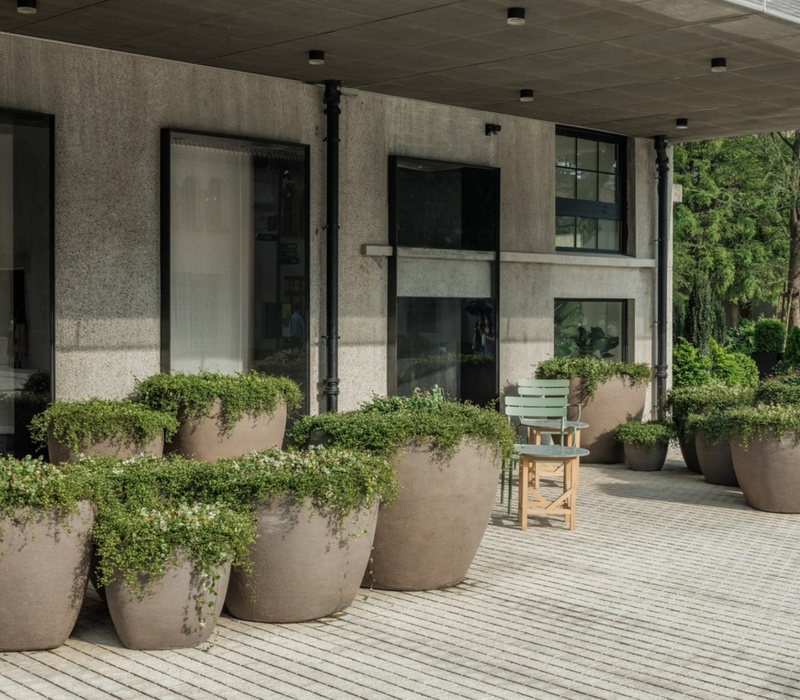
City Swipe turns community feedback into a familiar, visual conversation. Explore images, answer a question, and add context when you want to say more.
Move right for yes or your preferred photo. Move left for no or the other photo.
Slides ask either a Yes or No question or ask which image you prefer.
Use the chat button on a specific slide when your thoughts deserve more detail.
Feedback is designed to support Downtown Santa Monica and its community plan.
Each slide pairs an image with a question about a different element of Downtown.
Downtown Santa Monica’s community plan was intended to guide the next 15 years of downtown development. Community input was central to that process.
By sharing your preferences, residents, business owners, and visitors helped add a practical, place-based perspective to the planning conversation.
Learn About DowntownDowntown Santa Monica is a place where streets, plazas, sidewalks, and public spaces overlap with the daily rhythm of residents, workers, and visitors. City Swipe treats that overlap as a conversation starter rather than a survey form. Instead of asking people to imagine improvements in the abstract, the tool invites them to react to photographs of the downtown environment as it exists today, capturing instinct rather than analysis.
The core mechanic is intentionally simple. Each slide presents a question alongside one or two images, and a swipe communicates agreement or preference. Moving right signals a yes, or a preference for the photo shown; moving left signals a no, or a preference for the alternative. Because the interaction borrows a familiar gesture from everyday life, participation feels quick and almost playful, lowering the barrier that keeps people from filling out long planning questionnaires.
Two question types anchor the experience. Some slides ask for a straightforward yes or no about an element of the streetscape, while others ask you to choose between two options and indicate which one you prefer. Optional comment fields let participants add context whenever they feel the visual answer alone misses the nuance, and photo responses can be shared with the wider community so that similar preferences begin to reveal themselves as patterns.
The kinds of things residents are asked about reflect the everyday character of the downtown. Questions touch on public spaces, trees and gardens, shade structures, seating and moveable furniture, kiosks, elevated walkways, lighting, art, games, and outdoor fitness opportunities. Retail and food elements appear alongside transportation questions about walking, biking, and bus access, reflecting a downtown that is used by international visitors, commuters, and neighbors in roughly equal measure.
Imagery is treated with care. Photographs of the built environment are presented in a loose, slightly rotated polaroid-style format, giving the slides the warmth of snapshots rather than the sterile feel of official documentation. Paint-splash motifs, skyline silhouettes, and a world map badge reinforce the tone, while a palette of deep teal, warm marigold, and scattered multicolor accents keeps the interface lively without distracting from the images themselves.
The design reads as friendly but trustworthy, which matters for a tool that carries civic weight. Generous white space, large section padding, centered serif headings, and thin teal dividers give the page an airy, unhurried rhythm. A serif display face lends quoted and poetic passages a literary quality, while a clean sans-serif handles body copy and interface labels. Every element is rounded, flat, and minimal, so attention stays on the photographs and the choices being offered.
Behind the playfulness sits a real purpose. Feedback gathered this way is intended to inform the Downtown Community Plan, the process that guides how public spaces, infrastructure, and future investment are prioritized. By collecting preferences efficiently and at scale, the project hopes to surface what residents genuinely value: green infrastructure, planted containers, demonstration kitchens, promenades, fire pits, temporary play features, water elements, and gathering places for festivals and nights out.
Participation is framed as civic participation rather than marketing. Responding takes only a moment, and the site openly acknowledges that every response contributes to a larger record of community sentiment. The result is a shared, evolving guide to what the downtown should become, built from many individual opinions expressed in a single, easily understood gesture. For anyone who spends time in Downtown Santa Monica, a swipe is a small way to help shape its future.
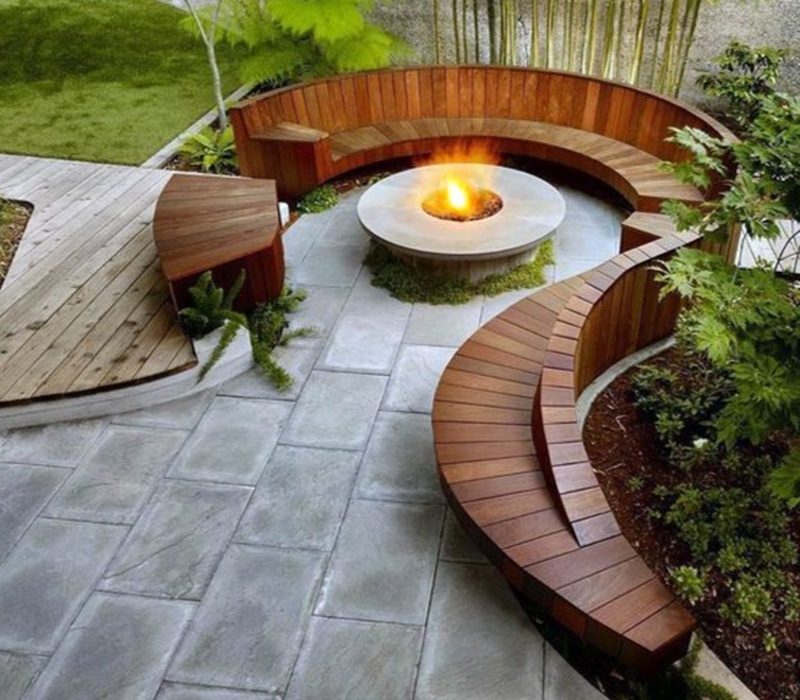
For a Yes or No question, swipe right for yes and left for no. For a “Which Do You Prefer?” question, right selects the photo on the right and left selects the photo on the left.
Yes. A chat button is available on specific slides for leaving more detailed comments about that question.
Enter your zip code to begin the City Swipe experience and move on to the first slide.
Feedback collected through City Swipe was incorporated into recommendations for the City of Santa Monica’s Downtown Community Plan.
Start with your zip code, then respond to image-based questions about Downtown Santa Monica.
Start Your Swipe